

Nirrumbuk's road to self-determination
Spotlight on
23 April 2026
In the Kimberley region of northwest WA, Nirrumbuk Aboriginal Corporation has been set up with a clear goal: local people experiencing self-sufficiency on their own terms. But as the road to independence looks different for everyone, the organisation’s got some clever ways to get people engaged and build confidence.
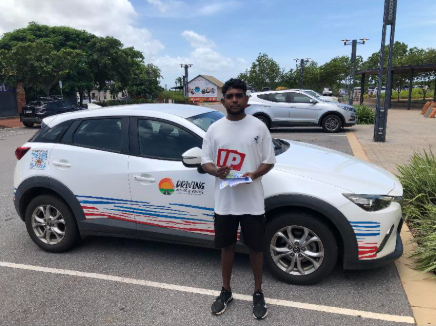
Robert Chaquebor celebrates his Ps
‘We’re building capacity and capability for Aboriginal people. That’s basically what we do – so people can become self-sustainable and manoeuvre through the world. We try to provide support and capacity-building skills,’ says CEO Joe Grande.
But getting people in to start that capacity-building process can be tricky. Nirrumbuk has found that offering something practical – in this case, helping people achieve a driver’s licence – can be the start of a relationship that turns into longer-term, more complex support.
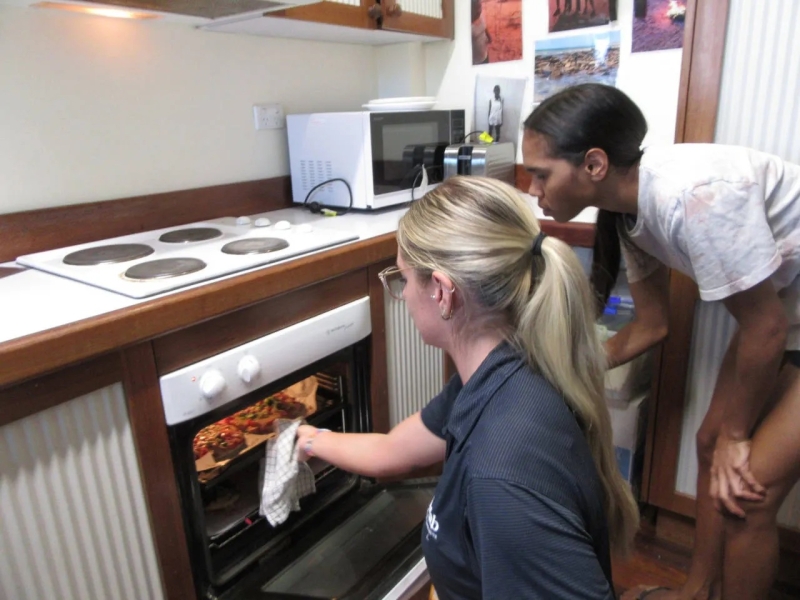
Nirrumbuk's youth services program provides a range of life skills
During the time it takes to practice driving, a lot can be talked about and uncovered between the learner and the mentor.
L plates lead to life skills
A licence might be the drawcard for many who come to Nirrumbuk, but it opens the door to much more. ‘Driving has always been embedded in our model. Through the Department of Transport’s Driving Access and Equity Program, we’ve used it as a hook to get people in,’ says Joe.
‘We might say, “we’ll teach you to drive,” but once they’re in, we start case management – addressing literacy and numeracy. Some young people can’t fill out a form, so how do they apply for a job? So while they’re learning to drive, we’re also working on those broader skills.’
What seems like a simple task of getting a licence has a broad range of outcomes. People now have ID, can apply for jobs, get places more quickly and easily, and access more experiences.
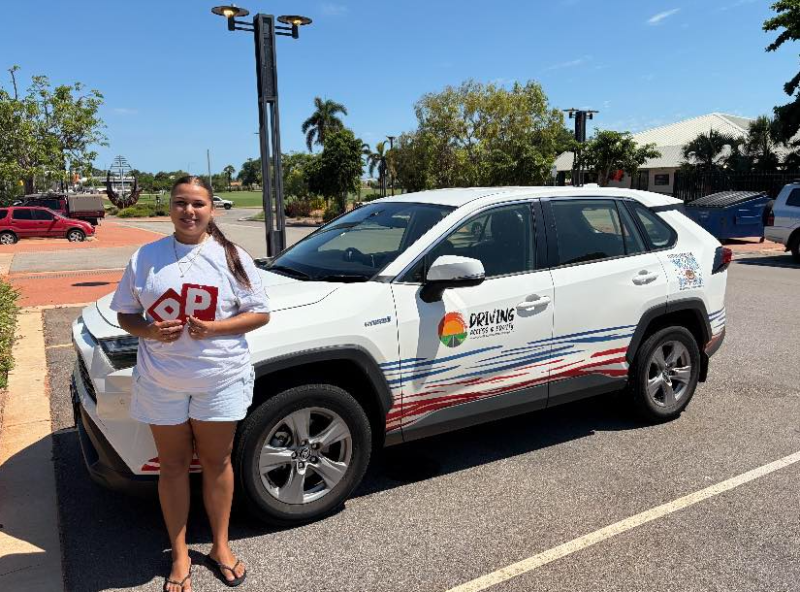
Aleah Clinch celebrates getting her Ps
This ties in with Nirrumbuk’s broader offerings, supporting people to improve their health, engage with education, or access housing and employment. All these outcomes work together, and can integrate across Nirrumbuk’s different programs.
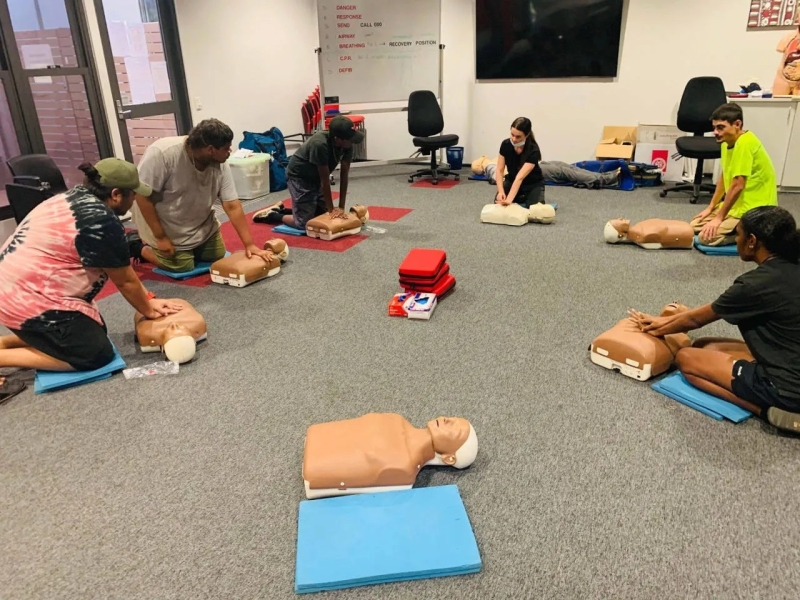
Different lanes for different reasons
One program being trialled in partnership with the Department of Social Services is specifically supporting boys aged 12 to 18 years.
‘It’s intensive case management for boys who have been exposed to domestic violence or other negative behaviours, helping to change those behaviours and support them,’ says Joe. ‘It’s all part of that capacity-building process.’
Nirrumbuk has multiple approaches to support young men to overcome challenges and change their pathways for the better. A mix of social, emotional, health and practical support is offered through Nirrumbuk’s programs. And yes, getting a driver’s licence is part of the package, if that’s something they need.
‘We do everything from professional counselling to helping them get a job. We look at the opportunities available rather than letting them get stuck in negative patterns,’ Joe explains.
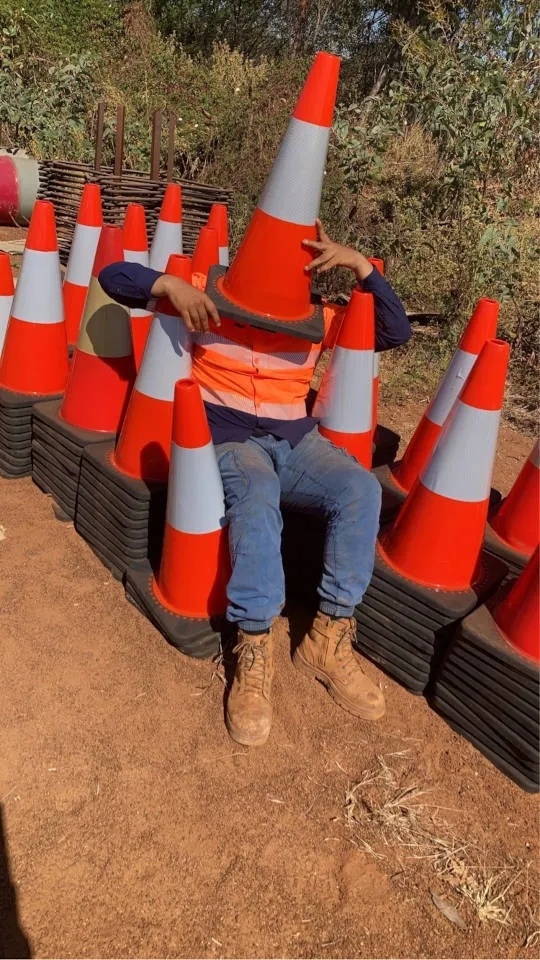
‘We’ve got two streams. One is an approved community-based course, registered with the Department of Education, picking up individuals who can’t cope with the traditional school curriculum. The other is intensive case management provided to individuals who require specific support now – ID, signing up for a driver’s licence, and assistance to access further training or update a resume.’
Getting the community on board
The adolescent boys program has been running for 18 months and is seeing good outcomes. Joe explains the hardest part is making sure the whole community is on board, because everyone has a role to play in improving lives.
Nirrumbuk has set up a strong network of supports and a workforce connected with families and community services.
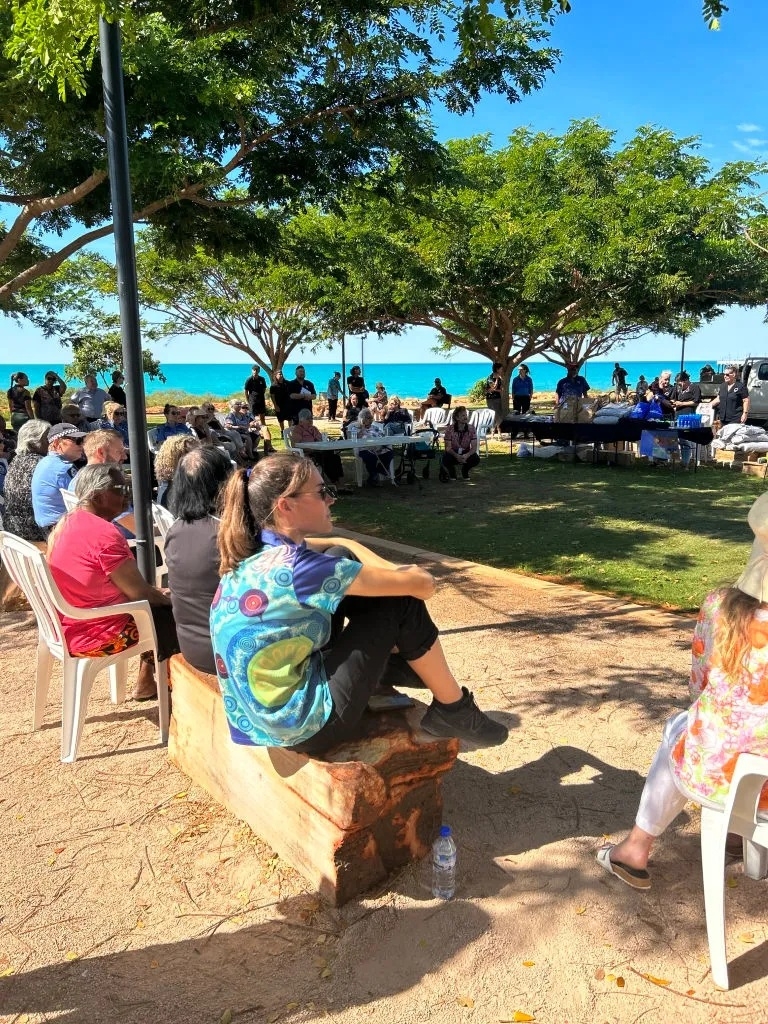
Nirrumbuk's elders morning tea
‘We work with other services – health services, BRAMS [Broom Regional Aboriginal Medical Service] for general check-ups, Headspace, and other counselling providers. We also bring in Indigenous mentors to talk to young people about their experiences and the cycle of being an Indigenous person in the Kimberley. Everyone’s different. It’s very individualised.’
‘We have caseworkers and case managers, including qualified professionals. We also have local Indigenous staff who understand community relationships – who’s connected to who, and linking with family to support someone if they fall off track .’
Navigating growth and new pathways
As Nirrumbuk expands its programs, driver education remains central. The practical nature of having a licence can lead to many more opportunities and is a strong way to engage young people in conversations they might not otherwise have.
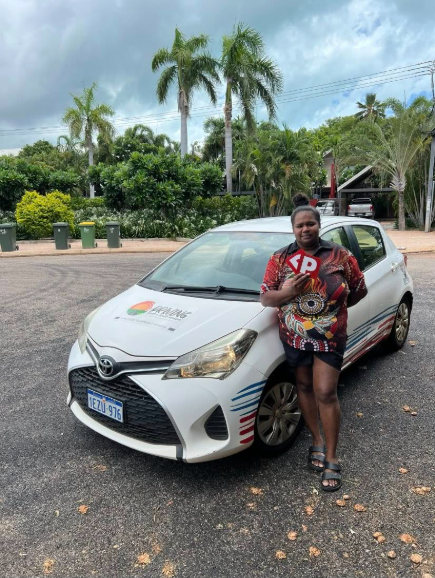
Margaret Charlie celebrates getting her Ps
‘Driving remains our key tool. Everyone wants a licence – it gives independence and access to jobs. That’s the hook. While they’re completing their driving hours, which might take six months or more, we engage them in broader support,’ says Joe.
‘I can’t speak highly enough of the Driving Education Access and Equity program. The Department of Transport has backed it all the way. We started with a target of 30 licences and exceeded it. We aimed to engage 60 people, but 250 walked through the door initially.
‘Now, three years later, it’s still going strong, with possible extensions. We’ve expanded into heavy rigid licences – now our participants are driving trucks.’
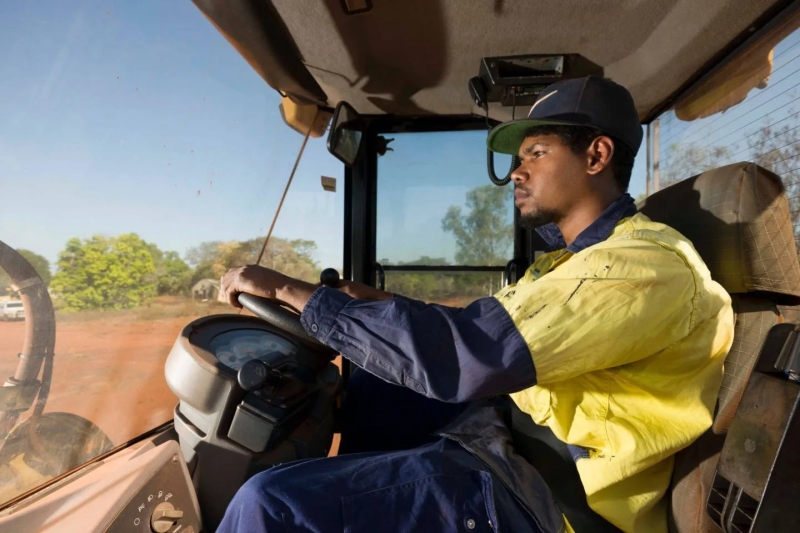
Nirrumbuk is showing how what might seem like a small program can grow into something much bigger, if you look for the opportunities and resource them correctly.
According to Joe, who is also a qualified accountant, allocating income into the right places has helped Nirrumbuk stay current and relevant to the community’s needs.
‘There’s a balance. Businesses can support social outcomes. For us, our business activities help fund additional programs – like school uniforms – without relying on grants.’
It takes a lot of work behind the scenes, but Nirrumbuk isn’t short of passion and motivation to keep driving towards their goals.
‘We just make things happen – to borrow from Nike, we “just do it.” You’ve got to be prepared to fail. Life’s not a straight line – it’s 2 steps forward, one step back, then 3 steps forward, 2 steps back. Every challenge presents a possible solution.’
‘It’s about changing expectations of Indigenous youth and working together to make life better for the next generation.’