

Bringing stability through strong governance
Spotlight on
5 January 2026
Good governance is key for corporations to run smoothly and achieve outcomes for the community. It sets up the rules and ways of doing things for the people who run the corporation. When it’s done well, it helps directors and members work together and make decisions in a clear, straight and fair way.
Mount Pierre Pastoral Aboriginal Corporation (Mount Pierre) has experienced both the challenges of poor governance practices, and the benefits of when governance is working well. In 2010, it was in danger of liquidation. The corporation that had operated since 1988 could have closed for good.
When Chantelle Murray went from director to executive officer, fixing Mount Pierre’s governance was top of the list. She set about making changes right away.
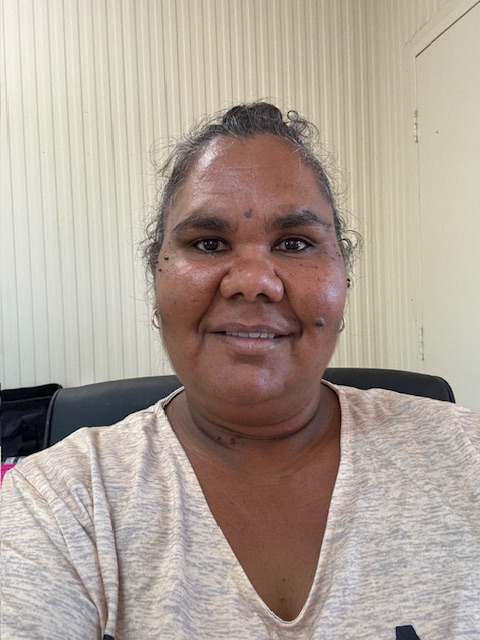
‘The corporation went from good governance to bad governance, and now back to good governance again,’ Chantelle says. ‘When I and my sister Rosemary came in, there was almost nothing left. There was about $33 in the bank at that stage. Now we’re financially stable and running properly.’
Learning governance from the ground up
Chantelle and her sister Rosemary run the corporation today with a vision and determination. But they began without experience in governance. Like many directors, they were learning while carrying responsibility for land, culture, business operations and their community.
‘At the early stages, we didn’t have governance training,’ Chantelle says. ‘We got help from Peter McEntee for the day-to-day on ground station work, and we had bookkeeping help here and there, but not the real governance side – how to run a corporation day to day, how directors should work together, and what good decision-making looks like.’
They made a deliberate decision to invest in governance education early.
‘We signed up for governance training workshops in Fitzroy Crossing at Karrayili Adult Education Centre and followed the steps with ORIC guiding us. That was our first real foundation,’ Chantelle says.
Those early lessons became the building blocks for everything that followed. As new challenges came up, the board could return to those governance principles to guide its decisions and rebuild trust after a difficult period. That commitment has continued into embedding training into how the corporation operates today.
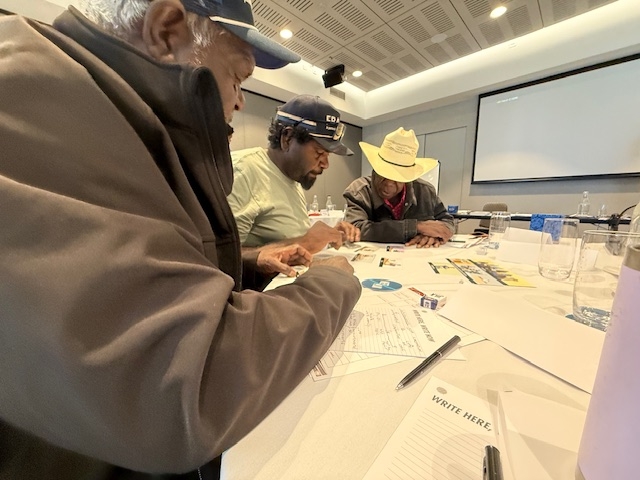
‘Every year we do governance training. Even if the board hasn’t changed, we still do it. And if there are new directors, they come into the same process. Governance is the main key for this organisation.’
Making governance real and engaging
Mount Pierre works with an external facilitator who has delivered governance training for the board for many years. Chantelle says the training is practical, which makes it engaging.
‘What makes it work is that it’s not just talking at people,’ she says. ‘There are hands-on activities that show how the organisation works – members, directors, roles and responsibilities. Everyone joins in, and it keeps people alert and wanting to learn more.’
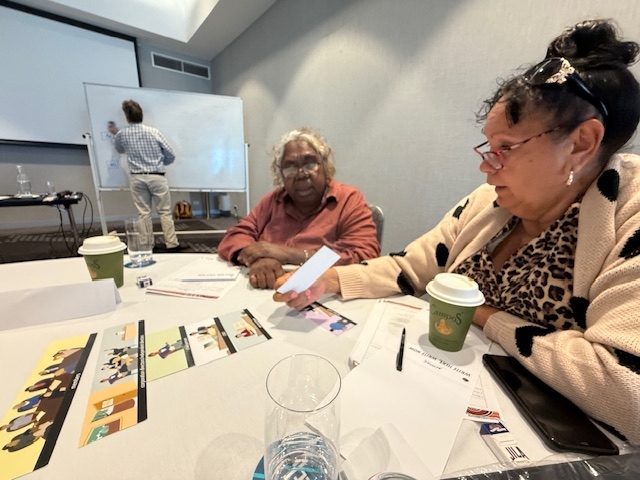
The corporation also shares governance workshops with other Aboriginal corporations in the Kimberley, creating a local learning and networking environment.
‘We come together with 3 or 4 other organisations. That networking is important. You learn from each other, and you realise you’re not alone in the challenges you face.’
From volunteer directors to a stable board
For many years, Chantelle and her fellow directors worked voluntarily while they rebuilt the corporation. Today, the board is in a stronger and more sustainable position, able to strategies and make decisions for the long term.
‘Now we pay directors sitting fees for their time and effort,’ Chantelle says. ‘That shows respect for the work they’re putting in and helps keep the organisation moving forward.
‘We’ve got a strategic plan now, and we actually work off it. It’s alive. It guides what we do and where we’re going.’
Putting governance into practice
Members of the Mount Pierre Pastoral Aboriginal Corporation own the Mount Pierre Pastoral Station. The cattle station sprawls across 217,741 hectares on Gooniyandi Country, east of Fitzroy Crossing in the Kimberley region of WA. The station is also home to important cultural heritage sites.
Governance affects every part of that operation, from staffing and budgets to land management and cultural protection.
As executive officer, Chantelle oversees the day-to-day operations and supports directors in good governance.
‘My first 12 months was about getting everything up to date – director IDs, compliance, making sure the station was properly set up. Now we’re looking at funding that fits pastoral operations and building our workforce.’
Mount Pierre recently received funding to hire new casual staff as part of the Federal Government’s Remote Jobs and Economic Development Program. The corporation now employs 3 local workers aged 16 to 24, as well as a station manager. The workers do tasks like drafting and branding stock, fence repairs, kitchen and cooking assistance, boundary riding, grader operations, mustering, bore maintenance and gardening around the homestead.
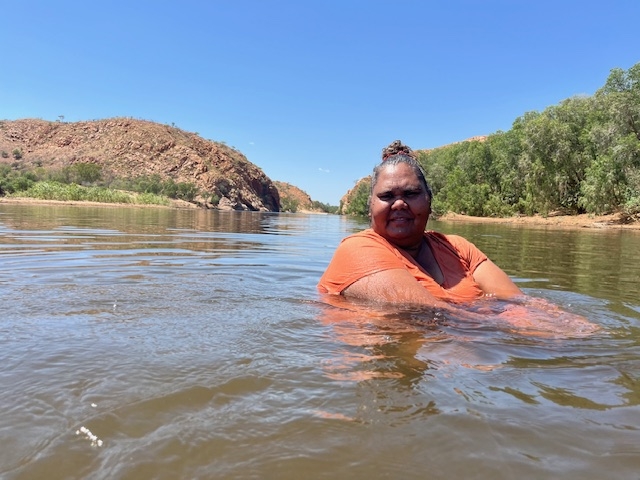
Chantelle notes that ‘it didn’t happen overnight’. Being able to secure funding ‘came from having strong systems, budgeting properly, and working closely with our bookkeeper to plan where our money goes’.
Standing strong on independence
Good governance is also helping the corporation manage complex external pressures, including issues around land management and relationships with other bodies.
‘We want to run our station as a pastoral operation, the way our old people did,’ Chantelle says. ‘We want to stay independent and sustainable.’
While it can be challenging, Chantelle believes having clear governance structures helps the corporation stand firm and make decisions that reflect its members’ wishes.
‘Governance gives us confidence to say what we want and what we don’t want,’ she says. ‘And to stand together as a board.’
Recognition beyond the community
The corporation’s strong governance and leadership were recognised when Chantelle was selected as part of the WA delegation for the World Indigenous Business Forum. Although Chantelle was unable to attend due to Sorry Business, the selection itself was a highlight for the board.
‘I didn’t even think someone like me from a remote area would be noticed. Sometimes you don’t realise what you’re doing until someone else points it out,’ she says.
‘The directors were so proud. We’ve been focused on our little bubble for years, but now people are listening and seeing the good work we’re doing.’
Planning for the next generations
Mount Pierre has a vision to continue its work guided by ancestors – to work hard, hold tightly to culture and tradition, to be firm and strong for land and culture, and to protect and care for Gooniyandi people and stay united on Mount Pierre. As the corporation protects heritage sites, supports employment and runs a successful pastoral business, governance is behind every decision.
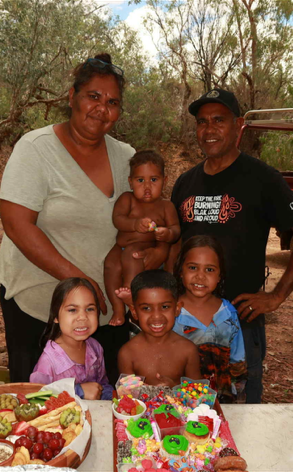
Chantelle notes, ‘It’s been a long journey of learning and building strength, but it’s been worth it. Good governance is what saved this organisation, and it’s what will keep it strong for the future.
‘Governance isn’t just paperwork. It’s about responsibility – to the land, to our members, and to the generations coming after us.’