

A community approach to Australia's digital future
Spotlight on
4 December 2025
In 2023, a small pilot program was set up to teach coding to 160 Aboriginal and Torres Strait Islander children. The idea was to encourage more First Nations people into science, technology, engineering and maths (STEM) education and careers, where there is a significant underrepresentation.
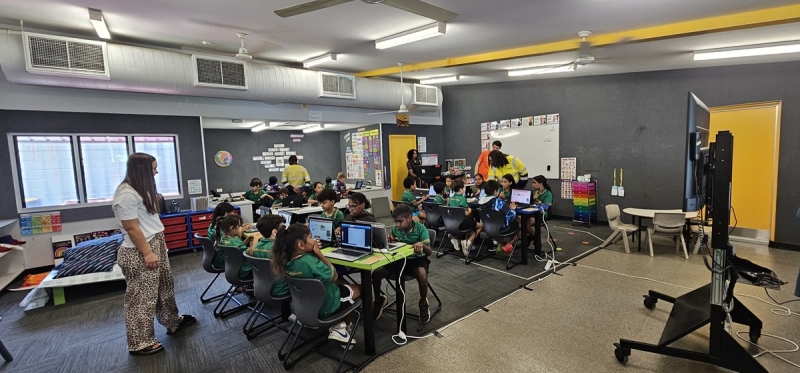
When the program’s teachers reflected on the pilot, they were excited by how engaged the students were, and it gained a lot of attention from government and industry. They realised that setting up this program in a culturally responsive and respectful way could build sustainable careers. It had the potential to create training and employment pathways to form a pool of diverse talent in a critical and rapidly growing industry.
Getting started the respectful way
The Deadly Coders programs started out with something for every age group, from visual coding activities for younger students to hands-on robotics and programming for older students. It was funded by a federal government grant. The initial response from students and communities was strong, but its success raised a question: how could this work continue beyond short-term funding?
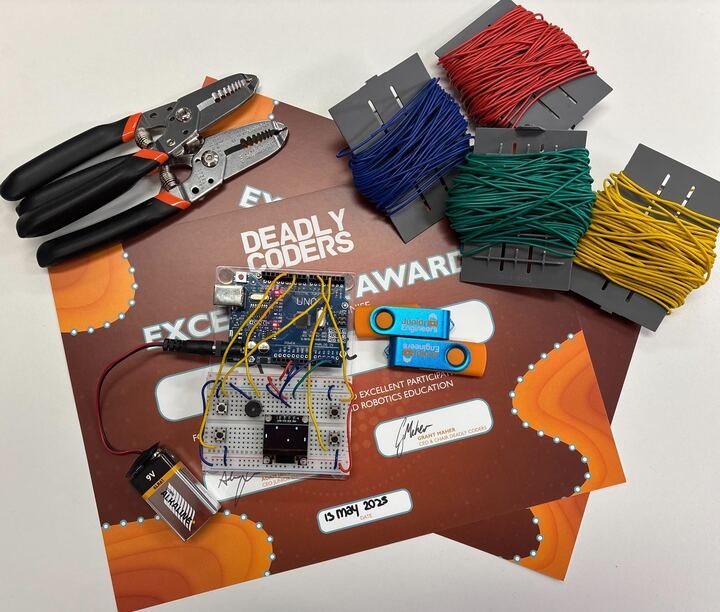
Engineers Australia took an interest in Deadly Coders and got behind it by offering mentors and introducing Indigenous engineering leader Grant Maher to the program. Advice from the then-Minister for Aboriginal and Torres Strait Islander Partnerships, Leanne Enoch, and from Aboriginal and Torres Strait Islander advisers was consistent: for Deadly Coders to be authentic and effective, it needed to be Aboriginal-led.
Switching from private company to community control
Founder Andrew Brodie expresses that Grant and an Indigenous advisory group of leaders and experts in STEM helped Deadly Coders to get set up ‘the right way’.
‘We were told very clearly that the best way for this work to succeed was for it to be community controlled,’ Andrew says.
‘Not just reaching out to community, but reaching out in the right way. Not just teaching kids coding, but doing it with cultural safety. We wanted something that would grow with community and provide real pathways.’
The Deadly Coders’ advisory board made sustainability a priority. The decision was made to transition Deadly Coders to Aboriginal and Torres Strait Islander ownership so they could make long-term decisions based on community priorities.
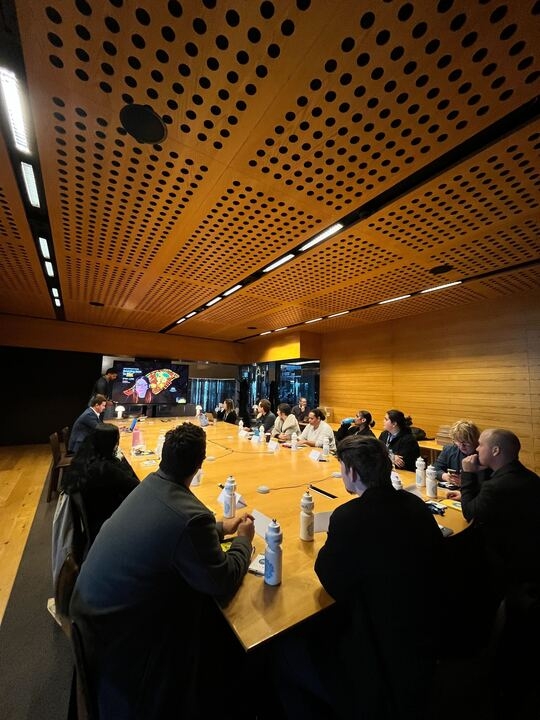
In June 2023, Deadly Coders incorporated with ORIC and became the Deadly Coders Aboriginal and Torres Strait Islander Corporation. Deductible gift recipient (DGR) status followed in August 2023.
The original Indigenous advisory board became the board of directors of the corporation, with Grant as the chair and Andrew as one of 2 non-Indigenous directors.
‘The board guides respectful engagement with the community,’ says Grant. ‘It’s a sophisticated and well-connected board, and this has helped Deadly Coders grow quickly.’
Reshaping the focus
Becoming a corporation gave Deadly Coders the chance to hone its focus and do what’s best for self-determined community outcomes.
‘Once Deadly Coders became Aboriginal-led, the organisation shifted from only working with primary school students to also building pathways for older young people and adults,’ Grant says.
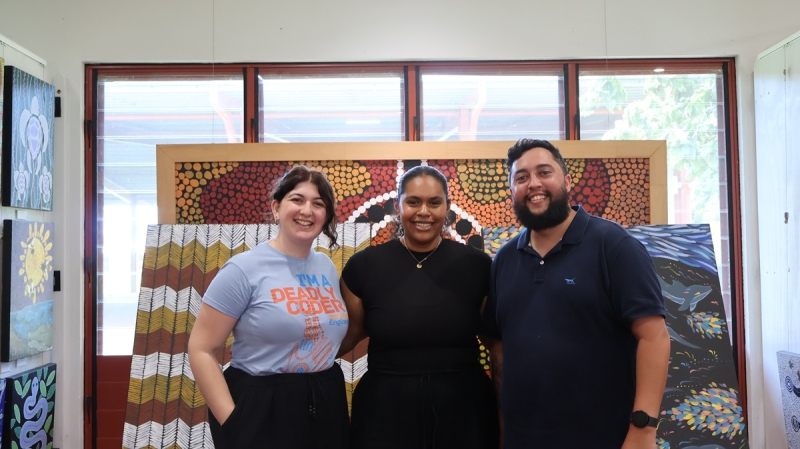
The board members’ lived experience from industry, education and community helped the corporation to meet long-term employment outcomes rather than short-term targets, using STEM as the pathway.
‘There are a lot of jobs that don’t have strong long-term security,’ Grant notes. ‘But tech roles are flexible, future-focused and can be life-changing, especially for people who need to work from home or in their own community.’
Community control also strengthened how Deadly Coders engages with schools and organisations. Starting as a volunteer model, it has built capacity by employing Aboriginal and Torres Strait Islander staff with expertise in education outreach.
‘That’s changed everything,’ says Grant. ‘Engagement is now led by people who know the cultural protocols and the right people to talk to.’
Building momentum and partnerships
Today, Deadly Coders delivers a range of programs across Australia. It provides school-based workshops, intensive STEM programs, and holistic careers programs that provide education, training and jobs in STEM fields with national companies.
One of Deadly Coders’ AI skills programs has supported around 5,000 First Nations students, in partnership with Microsoft. It has also developed an online learning platform created by First Nations educators for First Nations learners.
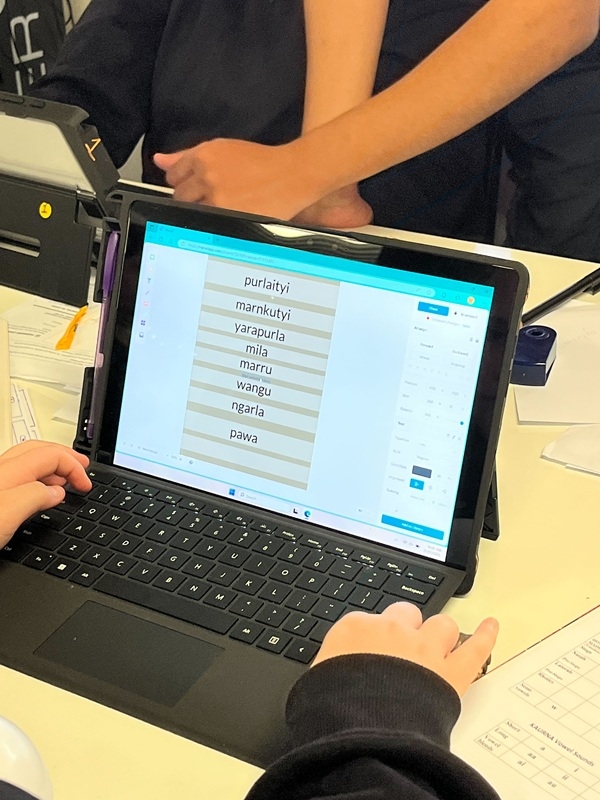
‘Access is really important. We want kids in remote, regional and urban areas to be able to learn in ways that work for them,’ says Grant.
One of Deadly Coders’ recent proud milestones is starting the Deadly Coders Academy. It’s a non-accredited pre-internship program designed to transition participants into tech careers.
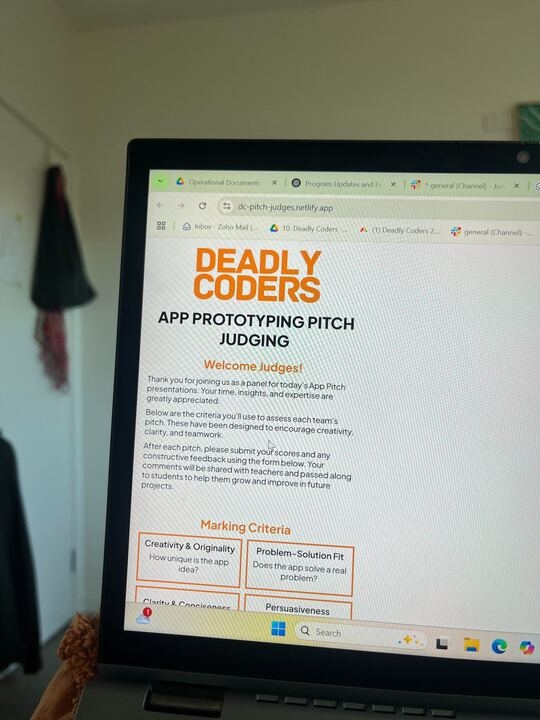
The academy focuses on cyber security, software engineering, data and AI. Participants do intensive boot camps before taking on paid internships and often complete accredited training on the job.
Grant says, ‘It’s about removing barriers. Not everyone can go straight to university, but that doesn’t mean they shouldn’t have access to high-value careers.’
The academy’s first pilot was recently completed with ANZ. It supported 11 young people, with 9 graduating into internships.
The well-connected board has been the reason Deadly Coders could develop strong partnerships with industry, universities and government. This has allowed Deadly Coders to deliver outcomes quickly while staying grounded in community priorities.
Looking to a more inclusive digital future
Deadly Coders’ long-term vision is national and intergenerational, with AI literacy a growing focus.
‘There’s a lot of conversation about diversity in STEM,’ Grant notes. ‘We want to see Aboriginal and Torres Strait Islander people included in that conversation.
‘AI is already shaping who can participate in the digital economy. If communities aren’t supported to understand it, the gap will grow.’
By being community controlled, Deadly Coders plans to lead this work in respectful, culturally responsive and future-focused ways. Incorporation was a turning point that ensured Deadly Coders could grow with integrity, accountability and impact.
And with more First Nations people visible in STEM careers, Grant hopes to see more young people inspired, and the momentum change, because ‘when young people can see people like them succeeding in tech, it changes what feels possible.’